
Losing a tooth because of a bad infection can be a very stressful and painful time.
When a deep cavity or gum disease goes too far, it can weaken the strength of your mouth. Finding a dentist in Forest Lake is the first step toward getting your healthy smile and confidence back.
Modern ways to fix your teeth are made to look and feel just like your real ones.
By acting fast, you can stop your jawbone from shrinking and make sure your smile stays strong for the rest of your life.
How Do Bacteria Lead To Tooth Loss?
Many people do not know how fast a small cavity can turn into a big problem. When germs get into the soft middle of a tooth, they cause an infection that can melt the bone around it.
Dealing with tooth loss due to infection means you need a good plan to clean the area before a new tooth can be put in.
- Bone Damage: Long-term swelling can eat away at the bone that holds your teeth.
- Spreading Germs: A problem in one tooth can move to the teeth next to it.
- Pain and Swelling: These are signs that your body is fighting a losing battle against rot.
- Moving Teeth: Once a tooth is gone, the others start to tilt into the empty gap.
The Process Of Removing A Damaged Tooth
Sometimes, a tooth is too damaged to be saved with a filling or a crown. In these cases, an infected tooth extraction is done to take out the source of the pain and stop the germs from spreading.
This is done carefully to keep as much of your healthy bone as possible. After the tooth is out, the spot is cleaned well.
Sometimes, a tiny bit of “bone filler” is added to keep the spot strong. This is important because you need a strong base for your new tooth later.
Restoring Your Smile With Permanent Solutions
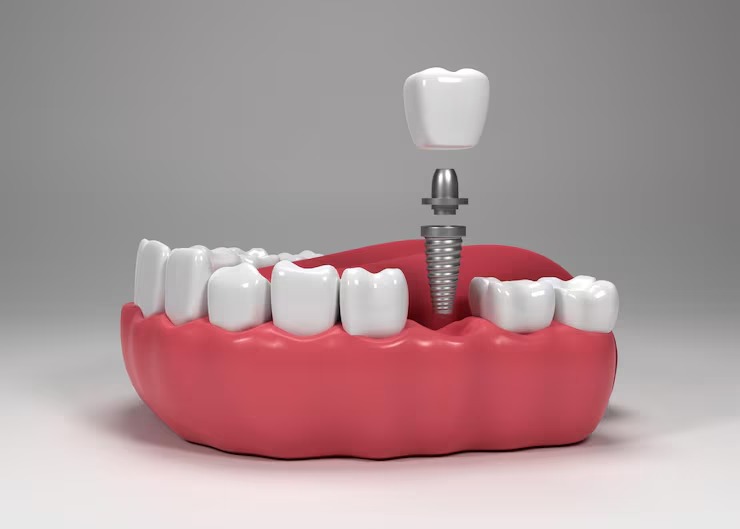
Once the spot has healed from the old infection, you can look into getting dental implants in Forest Lake to fill the gap.
These are small metal posts that act like a new root for a tooth. They provide a very steady base for a beautiful new crown.
- Growing Together: Your jawbone actually grows around the metal post to hold it tight.
- Perfect Match: The new tooth is made to match the color and shape of your other teeth.
- Long Lasting: If you take good care of them, these new teeth can last for 25 years or more.
- Stay Put: Unlike clip-on teeth, these do not move around when you eat or talk.
Comparing Your Choices for a New Tooth
| Feature | Dental Implant | Dental Bridge | Clip-on Denture |
| Protects Bone | Yes, Very Well | No | No |
| How Long It Lasts | 25+ Years | 7 to 15 Years | 5 to 10 Years |
| Helps Other Teeth | Stands Alone | Other Teeth Are Filed | Can Rub Other Teeth |
| How to Clean | Brush Like Normal | Special Flossing | Must Take It Out |
Making Sure Your Mouth Heals Well
The success of your new tooth depends on how well the spot heals after the germs are gone.
If the infection badly hurts the bone, you might need extra help to make the jaw thick enough to hold the metal post. This part takes patience because your body needs time to grow healthy new tissue.
During this time, you can often wear a temporary tooth so you never have to go through your day with an embarrassing gap in your smile.
How Does A Full Smile Keep Your Face Looking Young?
When a tooth is missing, the jawbone stops getting the “exercise” it needs to stay thick. Over time, this can make your cheeks look sunken or change how your face looks.
- Support: Implants give your face the support it needs to stay full and youthful.
- Chewing Power: You can go back to eating healthy, crunchy foods like apples.
- Gum Health: Filling the gap stops food from getting stuck in hard-to-reach spots.
- Talking: Having all your teeth helps you speak clearly and naturally.
How To Stop Problems In The Future?
After your smile is fixed, keeping the rest of your mouth clean is the most important goal.
Regular cleanings are the best way to stop another infection from starting.
- Brush Twice a Day: Use a soft brush to clean around your new tooth and all the others.
- Floss Every Day: This gets rid of hidden germs between the teeth where a brush can’t reach.
- Eat Healthy: Eating less sugar helps stop the germs that cause bad infections.
- Checkups: Your team will check your bones to make sure everything stays strong and tight.
A Healthy Start for Your Smile
Taking the steps to fix your mouth after a bad infection is a very smart move. You deserve to eat, talk, and laugh without feeling any pain or shyness.
By choosing a high-quality, permanent tooth, you are protecting your health and your looks for a long time. Our team is here to help you through every step, from the first checkup to the day you get your new tooth.
At Forest Lake Family Dental, we focus on gentle care to help you move past old tooth problems and into a happy, healthy future.
Are you ready to see how we can help you get past tooth loss and back to your best self? Contact Forest Lake Family Dental today to book your visit and start your journey to a happy smile!
Frequently Asked Questions
How long do I wait after a tooth is pulled to get an implant?
Usually, you wait three to six months for the bone to heal, but sometimes it can be done sooner if the area is very clean.
Can a new infection start around my new implant?
The implant cannot rot, but your gums can still get sick if you do not brush and floss every day.
Does it hurt to get a new tooth put in?
Most people feel very little because the spot is numb, and they say the healing feels like a tiny ache for a day or two.
Will my new tooth look like a fake one?
No, the new materials look just like real tooth enamel and reflect light, so it is very hard for anyone to tell the difference.