
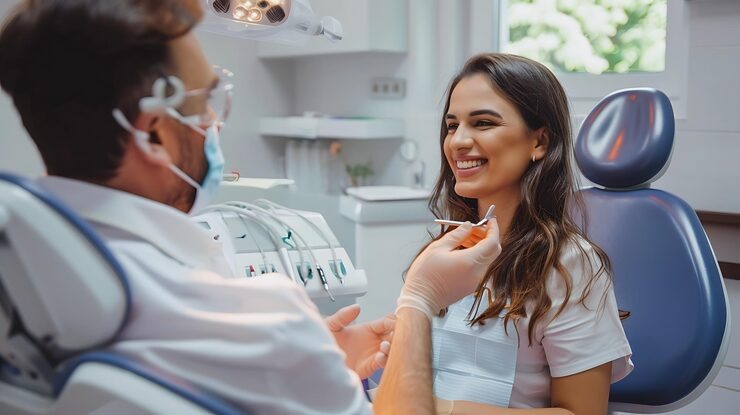
Oral cancer can affect different areas of the mouth, including the lips, tongue, cheeks, and throat. In many cases, it begins without strong pain or obvious symptoms. Because of this, early signs are sometimes easy to overlook.
Regular dental visits play an important role in protecting your health. Visiting a dentist near you for routine checkups can help identify early changes inside the mouth before they become more serious. Learning about oral cancer risk factors can also help you understand how to reduce your chances and stay alert to warning signs.
What Is Oral Cancer?
Oral cancer develops when cells inside the mouth begin to grow in an abnormal way. Normally, the body controls how cells grow and replace themselves. When this process changes, certain cells may continue growing and form unusual tissue.
Oral cancer can develop in several parts of the mouth, including:
- Lips
- Tongue
- Gums
- Inside the cheeks
- Roof or floor of the mouth
- Throat
Although hearing about oral cancer can be concerning, early detection often leads to more successful treatment. Regular dental exams and awareness of symptoms help identify problems sooner.
Main Risk Factors
Certain habits and health conditions can increase the risk of oral cancer. Understanding these factors can help you make informed choices about your health.
Tobacco Use
Tobacco use is one of the most significant risk factors for oral cancer. Smoking cigarettes, cigars, or pipes exposes the mouth to harmful chemicals that can damage oral tissues over time. Chewing tobacco also affects the gums and the inside of the cheeks.
Alcohol Use
Frequent alcohol consumption can irritate the tissues inside the mouth and throat. When alcohol is used heavily over a long period, it may weaken the protective lining of these areas. The risk becomes even higher when alcohol use is combined with tobacco.
HPV Infection
Certain types of human papillomavirus, commonly known as HPV, have been linked to cancers in the mouth and throat. HPV-related oral cancers may develop even in people who do not use tobacco.
Age
Oral cancer is more commonly diagnosed in adults over the age of forty-five. However, younger individuals can also develop the condition, especially when certain risk factors are present.
Sun Exposure
Excessive sun exposure can increase the risk of cancer on the lips. The lower lip is particularly sensitive to ultraviolet radiation from the sun. Using lip balm with sun protection and limiting prolonged sun exposure can help reduce this risk.
Signs And Symptoms To Watch For
Oral cancer may not cause pain during the early stages. This is one reason why some people may not notice a problem right away. Paying attention to changes that last longer than two weeks is important.
Some warning signs include:
- A sore that does not heal
- Red or white patches inside the mouth
- A lump or thick area in the mouth
- Difficulty swallowing
- A constant sore throat
- Numbness in the lips or tongue
- Loose teeth without a clear reason
These symptoms do not always indicate cancer, but they should not be ignored. If any changes remain for more than two weeks, it is important to have them examined by a dental professional.
What Happens During An Oral Cancer Screening
An oral cancer screening is quick and painless. It is usually completed during a routine dental visit and takes only a few minutes.
During the exam, the dental office checks several areas of the mouth to identify any unusual changes.
The screening may include:
- Looking for sores or patches
- Checking for unusual colour changes
- Feeling the jaw and neck for lumps
- Examining the tongue and throat carefully
If anything unusual is found, further testing or evaluation may be recommended. Booking an oral cancer screening near you is a simple way to stay informed about your oral health.
How To Reduce Your Risk
Although not every case of oral cancer can be prevented, healthy lifestyle choices can help lower your risk.
Avoid Tobacco
Quitting smoking and avoiding chewing tobacco can significantly reduce your risk over time. The tissues in your mouth may gradually recover once tobacco use stops.
Limit Alcohol
Reducing alcohol intake helps protect the tissues inside the mouth and throat. Drinking less alcohol lowers irritation and reduces long-term risk.
Protect Your Lips
Using lip balm with sun protection can help shield the lips from harmful ultraviolet rays. This is especially important when spending time outdoors.
Maintain Good Oral Hygiene
Brushing and flossing every day helps keep the mouth clean and healthy. Good oral hygiene also makes it easier to notice unusual changes in the mouth.
Eat a Healthy Diet
A balanced diet with fruits and vegetables supports the immune system and overall health.
Go for Regular Checkups
Routine dental visits help identify early signs of oral health problems before they become serious.
Taking The Next Step
If you have concerns about symptoms or possible risk factors, it is important not to ignore them. Forest Lake Family Dental provides careful examinations in a calm and supportive environment.
Scheduling a visit allows you to receive clear answers about your oral health and take steps toward protecting your long-term well-being.
Frequently Asked Questions
What are the early signs of oral cancer?
Early signs may include sores that do not heal, red or white patches, lumps in the mouth, or numbness in the lips or tongue.
Is oral cancer common in younger adults?
Oral cancer is more common in adults over forty-five, but younger people can also develop it.
Does oral cancer always cause pain?
No, oral cancer often develops without pain in its early stages.
How long does an oral cancer screening take?
An oral cancer screening usually takes only a few minutes during a routine dental visit. The exam is quick, simple, and painless.