
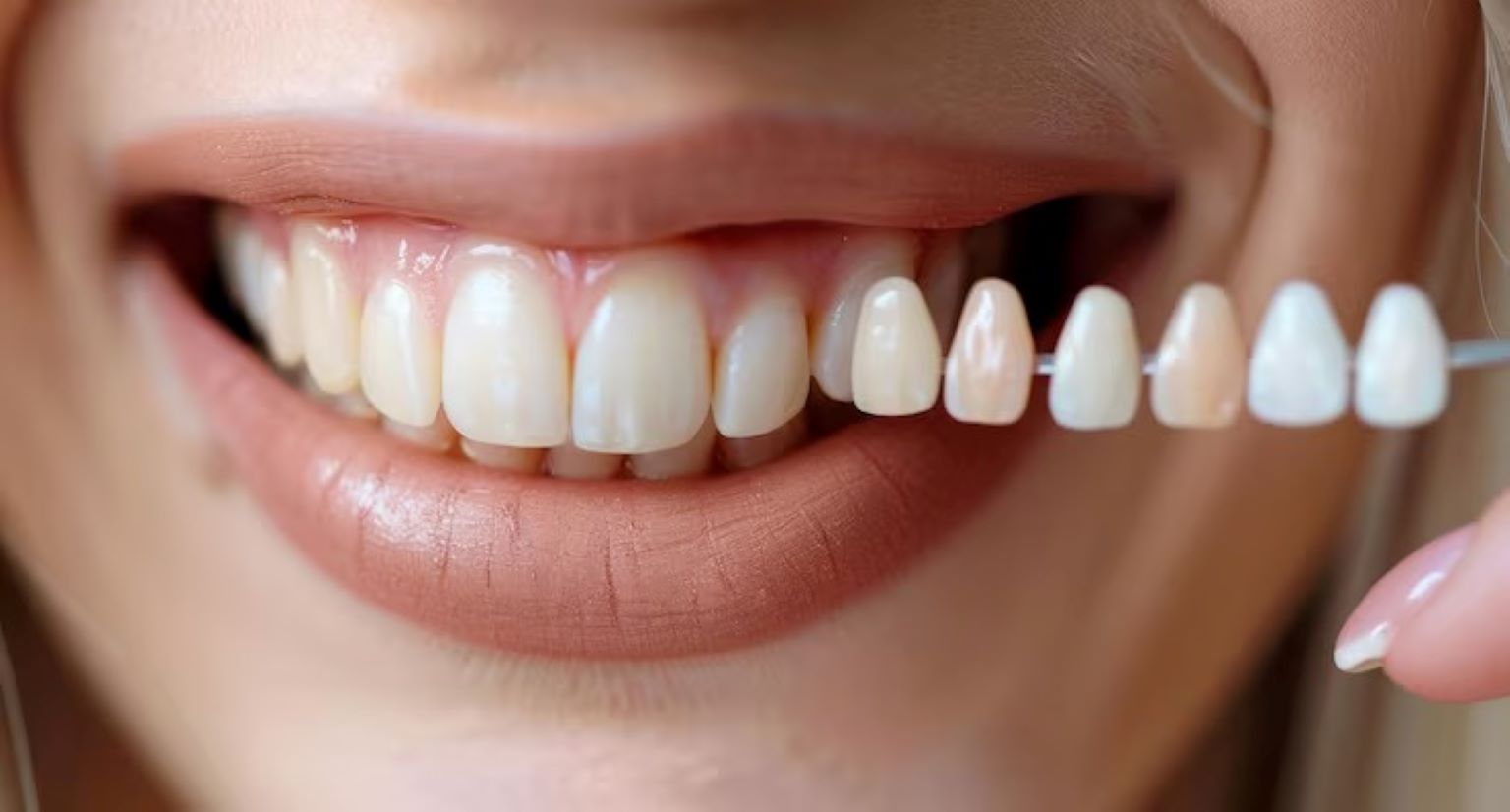
If you want to change your smile, porcelain veneers near you might be a good choice. Custom-made, thin shells that cover the front of teeth are called veneers. These fix chips, gaps and stains. Knowing how the veneer process works can help build your confidence before proceeding with treatment.
What are Porcelain Veneers?
Porcelain veneers are a layer of material that is colour-matched to the natural teeth and is meant to be attached visually to the front of the teeth. These are long-lasting, resistant to stains, and imitate the gloss of the natural enamel. A lot of individuals decide on veneers to:
- Make teeth brighter and change their shape
- Veneers can be used to close small gaps between teeth that are not wide
- Repair teeth that have been chipped or worn down
- Help you achieve a more symmetrical smile
Step 1: Consultation and Smile Evaluation
A consultation is the first step in your veneer dental procedure guide. In this meeting, the dentist will check your teeth, talk about your objectives, and confirm that veneers are suitable for you. You might also look at the photos of the patients before and after their treatment to get an idea of your possible results.
Step 2: Tooth Preparation
The method of removing a very small portion of the enamel, typically less than one millimetre, from the surface of the tooth is carried out gently. By doing this, the veneers will look like they are naturally fitted and will not have a bulky appearance. If you wish, a local anesthetic can be applied so that you feel no discomfort at this time.
Step 3: Taking Impressions
Once the work has been done, the dentist will take an impression or a 3D scan of your teeth. These files are given to the lab where the technicians create the veneers that fit not only the shape but also the colour and the alignment of your teeth. In the meantime, you can be given temporary veneers if you want.
Step 4: Veneer Placement
Once your tailor-made veneers are available, a dentist near you will gently attach the veneers to your teeth. Before the dentist finally glues the veneers with a powerful dental adhesive, he will check the colour and the fit of the veneers. The connection is made stronger with the assistance of a certain curing light, which therefore ensures that your new smile is firmly kept in its place.
Step 5: Final Adjustments and Polishing
Once fitted, your dentist will do some slight tweaking to make sure your bite is comfortable. The veneers are finally polished for a sleek, shiny surface that harmonizes perfectly with your natural teeth.
Caring for Your New Smile
After your dental veneer treatment, proper care helps maintain your results for many years. Here are a few helpful tips:
- Brush twice a day with a soft-bristle toothbrush.
- Floss daily to remove plaque between teeth.
- Do not eat chewing gum or take ice cubes in your mouth.
- Schedule regular dental cleanings and checkups.
Porcelain veneers made right can last at least a decade, and your smile is radiant.
Benefits of Porcelain Veneers
Porcelain veneers are one of the most effective cosmetic dental treatments for a total smile makeover. Key benefits include.
- Natural-looking results that mimic real enamel.
- Long-lasting durability.
- Resistance to stains from coffee or wine.
- Minimal tooth reduction compared to crowns.
Ready to See Your Dream Smile Come to Life?
If you’re considering porcelain veneers to enhance your smile, the Forest Lake Family Dental team can help you. Schedule a booking now and learn how veneers can give you a natural-looking smile that can last for years.
FAQs
Are porcelain veneers permanent?
Yes. A thin layer of enamel will need to be removed for an easy fit, so they are considered a long-term solution.
How many veneers do I need?
It depends on your smile goals. Some folks only buy one or two for little repairs, while others get the full set for uniformity.
Do veneers require special care?
You can brush, floss, and check them as you would normal teeth.
Can veneers fix crooked teeth?
Porcelain veneers are a great way to fix the look of your teeth in case of misalignment. But extreme cases may need orthodontic treatment before getting veneers.